Tucked between Lake Ontario and a 450-million-year-old escarpment, the Niagara Peninsula is one of Canada's largest and most important wine regions. It is also one of the few places on earth that does Riesling, icewine and cool-climate reds equally well. Here is how the place fits together.
Why grapes love it here
Two features of the landscape do most of the work. Lake Ontario behaves like a giant heat battery, soaking up summer warmth and releasing it slowly, which tempers the winters and stretches the growing season. Above the vineyards runs the Niagara Escarpment, a forested ridge that stirs the air and pulls cool breezes down over the slopes. The result is a genuinely cool climate with a long, unhurried ripening, the kind that keeps acidity bright and flavours precise.
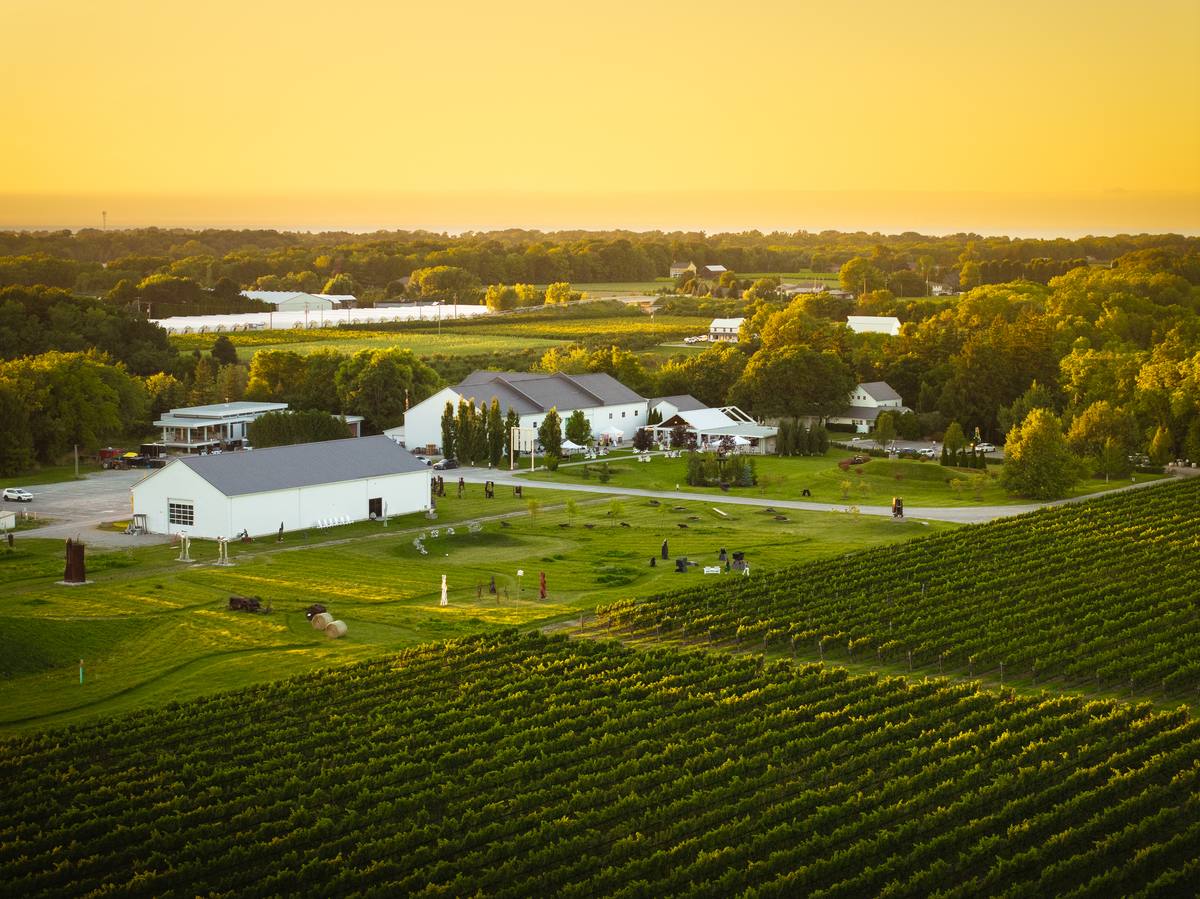
One of the few places on earth that does Riesling, icewine and cool-climate reds equally well.
The lay of the land
The peninsula is carved into ten official sub-appellations, but most visits orbit three areas:
- The Bench: the escarpment slopes around Beamsville, Twenty Mile and Short Hills. Good drainage and sun, and the region's most serious Riesling and Chardonnay.
- Niagara-on-the-Lake: flatter, warmer and close to the water. The historic heart, the grand estates and the icewine houses.
- The Twenty Valley: the rolling upper country around Vineland and Jordan, quieter and largely family-run.
What's in the glass
- Riesling: the signature white, dry to off-dry, bright and built to age.
- Icewine: the global calling card. Niagara anchors the world's largest icewine industry; grapes are left to freeze on the vine and pressed rock-hard, often picked at night below −8 °C.
- Cabernet Franc: the region's signature red, perfumed and savoury.
- Pinot Noir & Chardonnay: the cool-climate Burgundian pair, increasingly serious.
- Traditional-method sparkling: a quiet but growing strength.
Not just wine
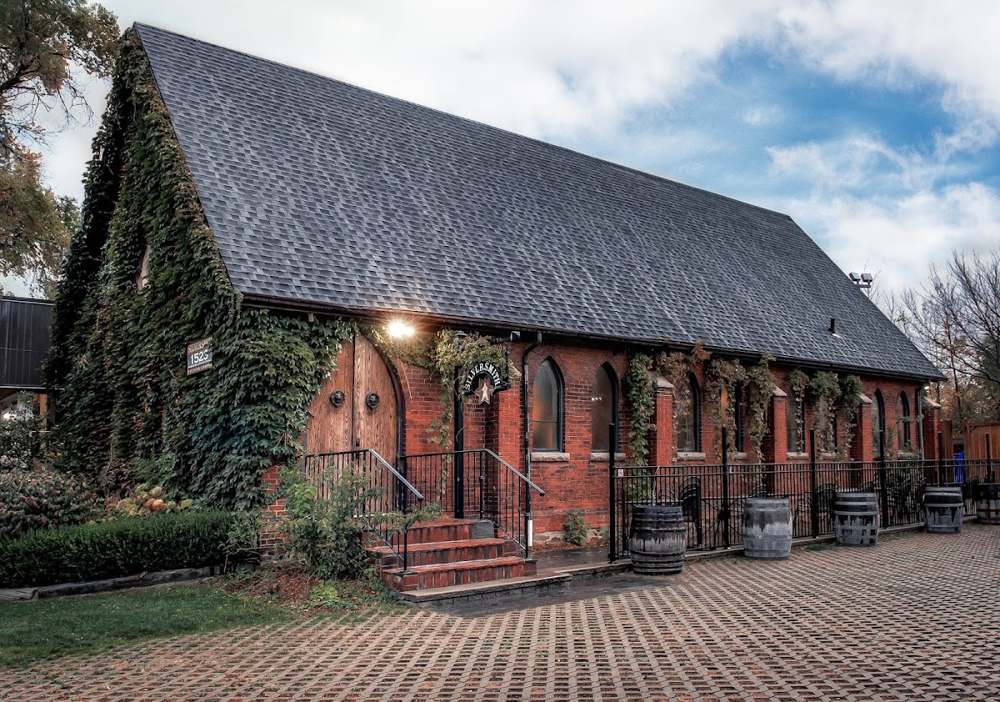
Niagara has grown into a full drinks region. Craft breweries have moved into its most characterful old buildings, from a 1900 telephone exchange to a restored stone church to a red barn off the parkway, across St. Catharines and Niagara-on-the-Lake. Small-batch distilleries turn out gin, whisky and fruit brandies; a cluster of cideries works the local orchards, and the odd meadery the local honey. A day here doesn't have to be all wine.
How do you tour it?
You have options. Some visitors hand the day to a guided tour or a hired bus, which is convenient but tends to be pricey and runs to a fixed schedule. Far more people simply go self-guided. With a designated driver you can take it by car, drifting between cellar doors at whatever pace suits the day; on a clear morning the flat Niagara Parkway and recreation trail make it a glorious ride by bike. Either way the day is yours to shape: linger over the views, skip what doesn't tempt you, and stop for lunch when the mood strikes.
Many cellar doors welcome walk-ins, so you can wander in and taste without booking ahead. The smaller or more sought-after rooms often prefer a reservation, especially for seated tastings on a busy weekend, so it's worth a quick check before you set out.
When to go
Late spring through fall is the heart of it: patios open, vines in full leaf, and the harvest rolling in through September and October. Deep winter brings the icewine pick, gathered frozen on the coldest nights. Most cellar doors stay open year-round.
Planning all of that is the fiddly part. If you'd rather not, Siplo lays the region out as ready-made self-guided routes, with the walk-in-friendly stops flagged, live opening hours, and a curator's pick of what to taste at each.
Good to know
- Where is Niagara wine country?
- The Niagara Peninsula in Ontario, Canada, between Lake Ontario and Lake Erie, about 90 minutes from Toronto and just across the river from New York State.
- Do you need a tour to visit Niagara wineries?
- No. Most people go self-guided, by car with a designated driver or by bike, and many cellar doors welcome walk-ins. A tour is one option, not a requirement. Siplo has self-guided routes ready to go if you'd rather not plan one yourself.
- What is Niagara wine known for?
- Riesling and icewine above all, plus Cabernet Franc, cool-climate Pinot Noir and Chardonnay, and a growing sparkling scene.
- Does Niagara make anything besides wine?
- Yes. A thriving craft-beer scene, small-batch distilleries, cideries and meaderies all share the region.
- How big is the Niagara wine region?
- One of the largest in Canada by plantings, with more than 90 cellar doors spread across ten sub-appellations.